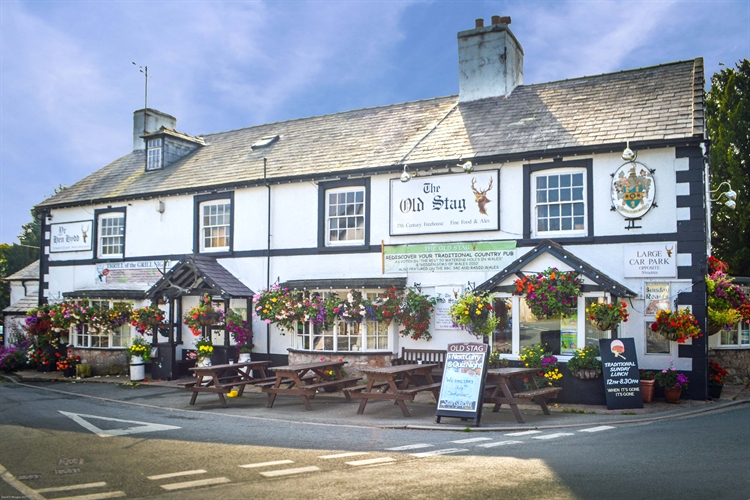
Charming Conwy village pub
Character building dating back to 1650
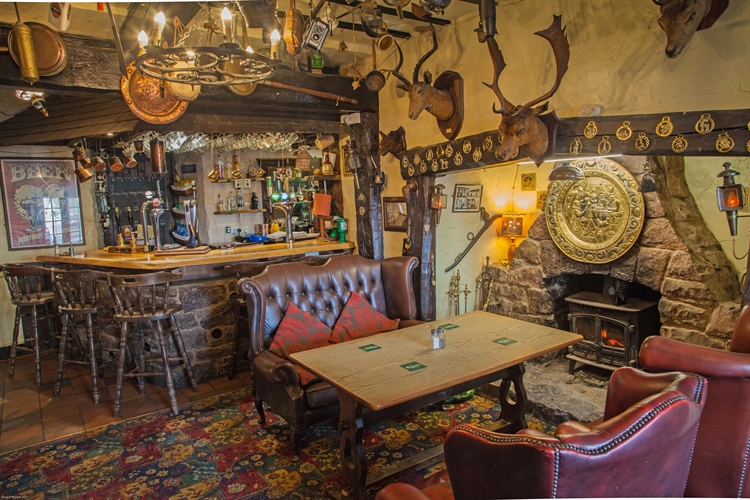
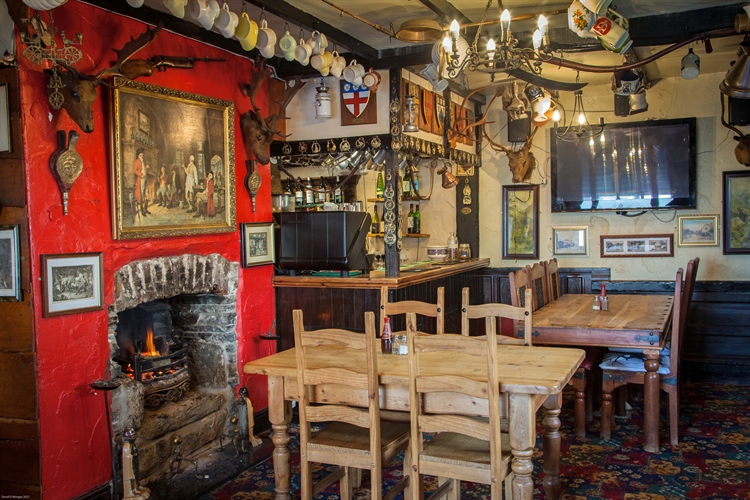
Three section trade area (62)
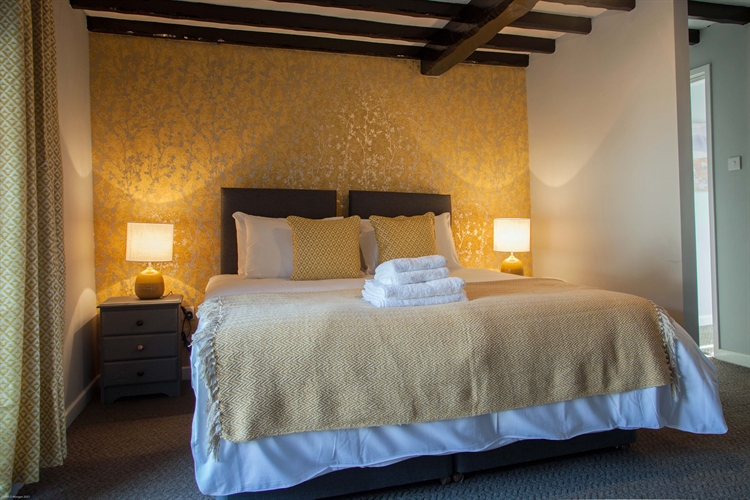
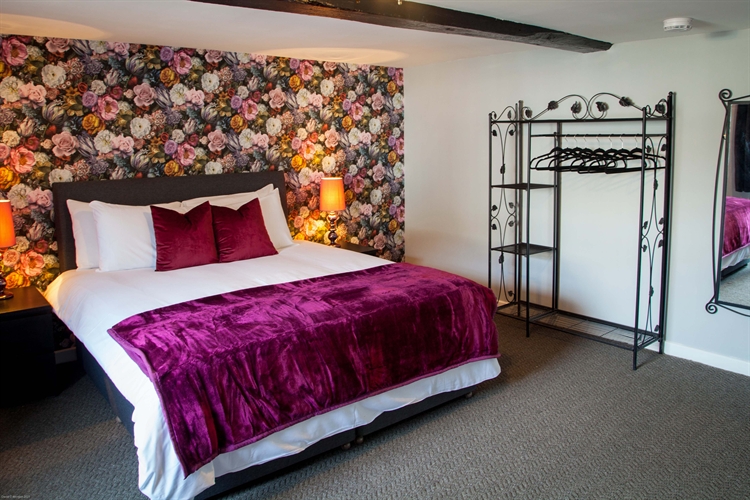
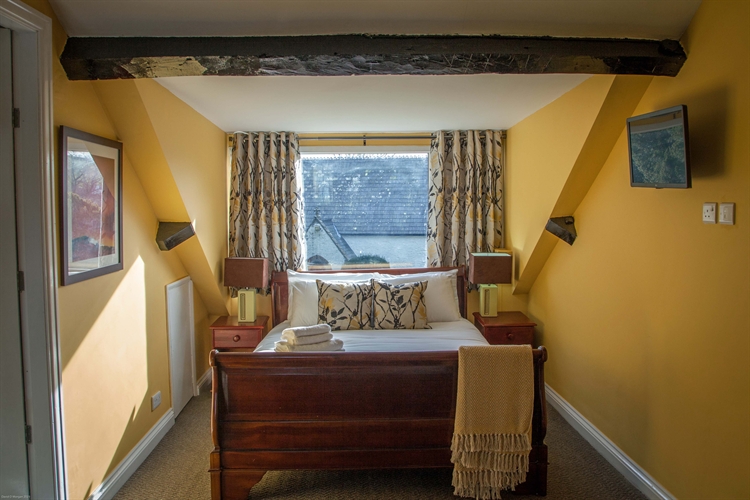
Four bedroom letting accommodation
Potential to increase sales
Net sales year ended March 2025 £349,074
SELLER REF 93620
- Asking Price:
- £620,000 Furniture / Fixtures included
- Turnover:
- £349,074
- Net Profit:
- Undisclosed
Property Information
- Property:
-
Freehold
- Living Accommodation:
-
LETTING ACCOMMODATION
With private access to the side of the property, the accommodation is set over the first floor and the roof space and comprises:
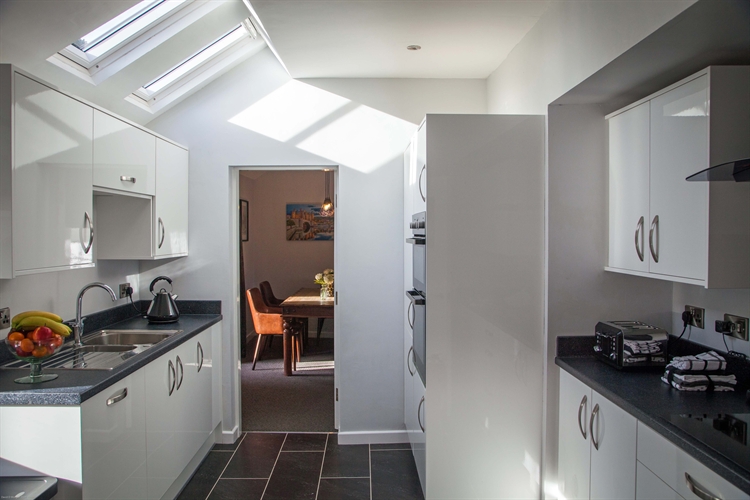
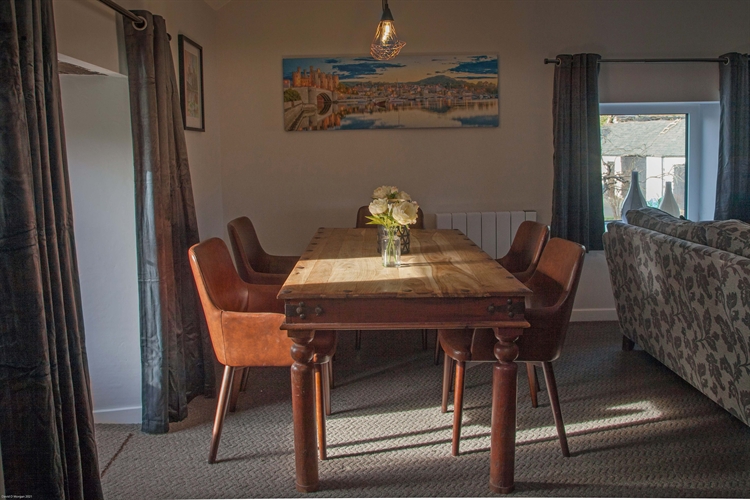
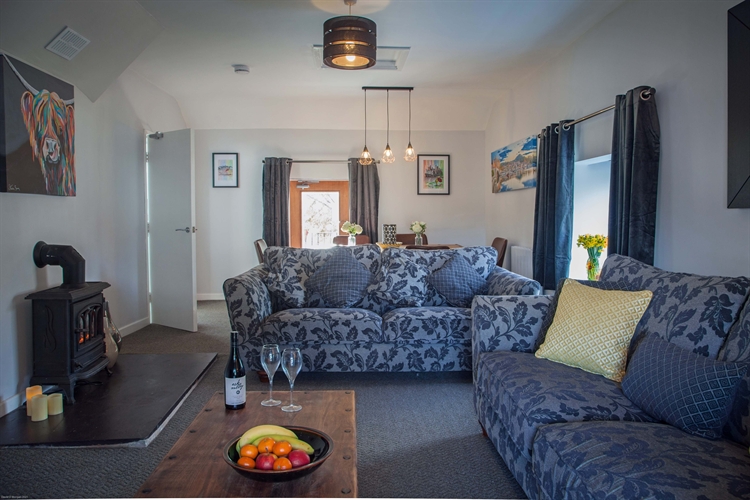
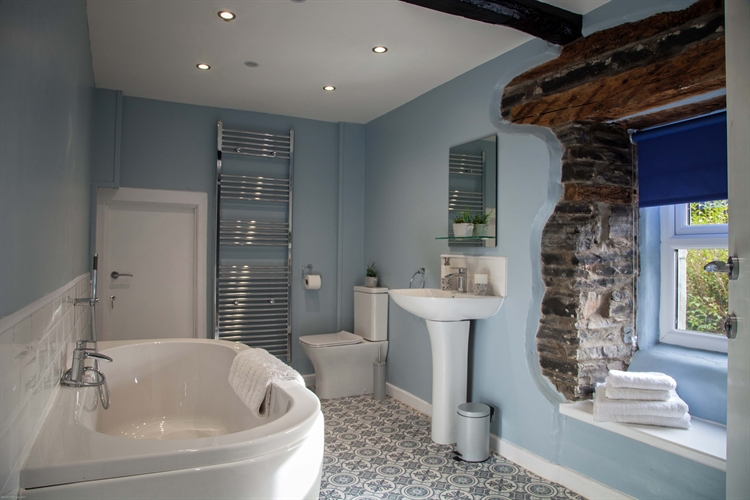
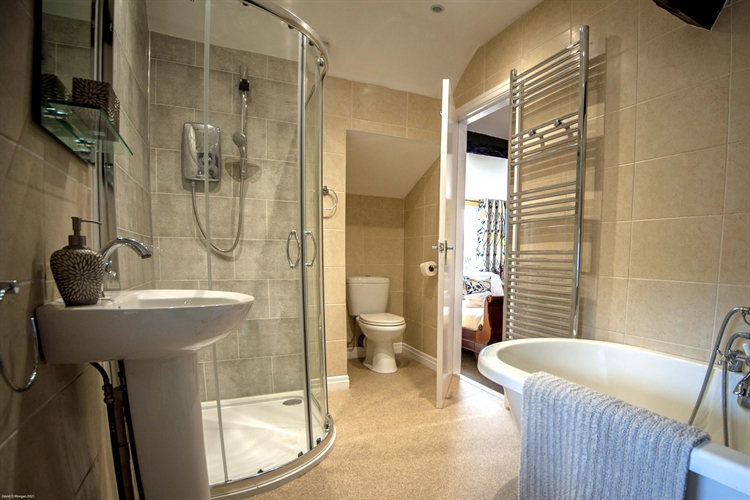
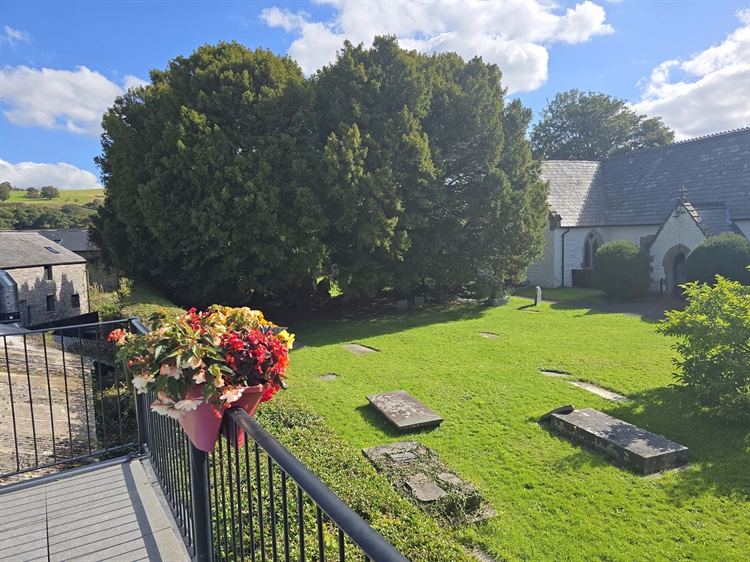
First floor balcony overlooking St Digain's Church and the yew tree (the terrace is dubbed 'Yew View'). The first floor has a modern KITCHEN leading to a LOUNGE/DINING ROOM which is of a good size, three generous size DOUBLE BEDROOMS and a BATHROOM with bath and shower cubicle. The second floor has a MASTER BEDROOM with EN SUITE featuring a bath and shower cubicle. It is apparent the letting areas have been well invested in over recent years and offers spacious and luxurious accommodation with modern furnishings and fittings.
- Location:
-
Llangernyw is situated in the Elwy Valley in the North Wales county of Conwy, close to where the River Cledwen joins the River Elwy. The village church of St Digain’s is the site of an ancient yew tree which is estimated to be over 4,500 years old and reputed to be one of the oldest living things in the world. Llangernyw is also home to the museum of Sir Henry Jones, the philosopher and academic who grew up in the village. The village lies on the A548 between Llanrwst and Abergele. The A548 links to the A470 to the west, offering easy access to Betws-y-Coed and Snowdonia National Park; to the north it links to the A55 North Wales Expressway and North Wales coastal towns and beaches.
- Premises Details:
-
The building dates back to circa 1650, although it is not listed. It was originally a farmhouse and remained so until 1890, when a licence application for the Stag Hotel was received by Abergele Courts.
The property is of local stone construction with a white and black painted exterior and a pitched slate roof. It is set over three storeys to the main and has a single-storey extension to the
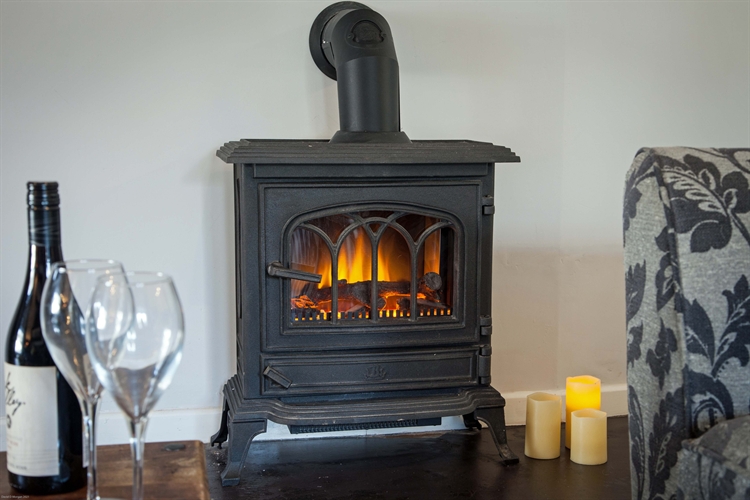
left-hand side. The trade areas offer much character and charm, having exposed timbers and original features, and there are many horse brasses and artefacts hanging from the ceilings and walls.